Follow Me On Social Media!

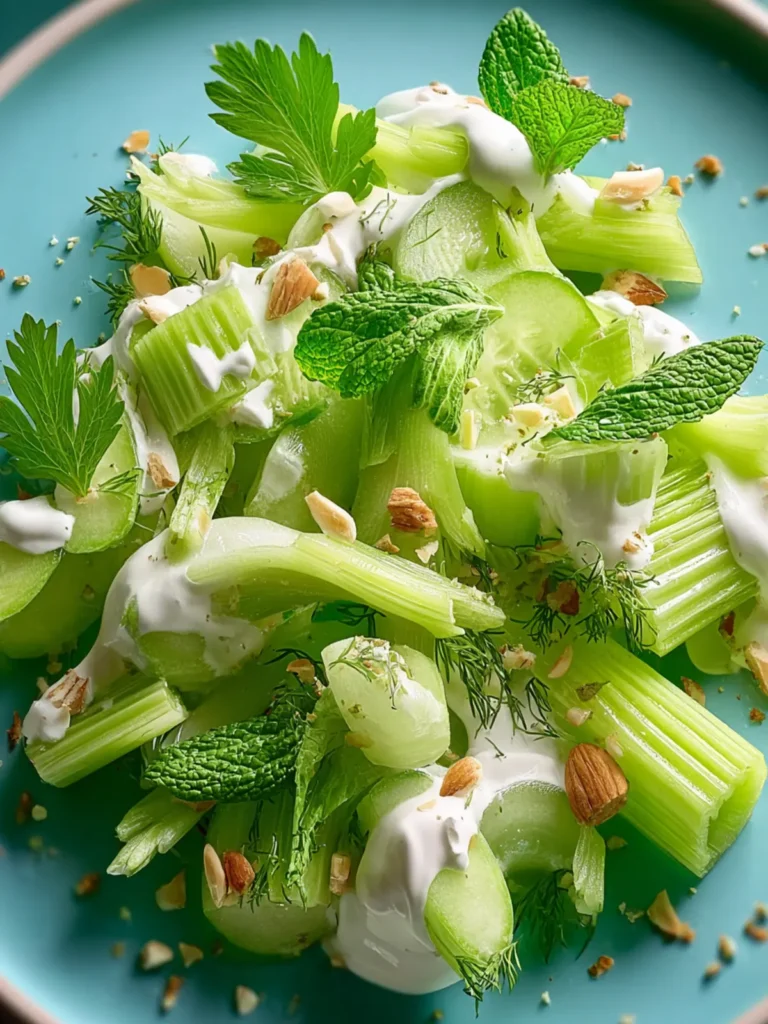
How to Keep Salad Fresh and Crisp for Days of Deliciousness

Introduction to Keeping Salad Fresh
When it comes to salads, embracing the art of keeping salad fresh is essential for anyone who feels that vibrant greens and crisp vegetables are the cornerstones of a healthy diet. Picture this: you’ve crafted a beautiful salad, tossed together colorful ingredients that jump off the plate, but what happens once you store it? Unfortunately, salads can quickly turn limp and unappetizing if not stored correctly. That’s where understanding the secrets of freshness comes into play.
Freshness matters in salads for several reasons. When vegetables sit too long, their nutritional value diminishes and their texture and flavor can suffer. A fresh salad isn’t just a feast for the eyes; it’s also a powerhouse of vitamins and minerals. Did you know that leafy greens lose approximately 50% of their vitamin C content after just one day of improper storage? Moreover, a wilted salad can detract from your meal’s enjoyment, turning what should be a refreshing dish into a disappointing mush.
To ensure your salads stay crisp and delicious for as long as possible, consider these straightforward tips:
-
Choose fresh ingredients: Begin with the highest quality produce that you can find. Look for firm vegetables with vibrant colors, as these will naturally last longer.
-
Proper washing and drying: Rinsing your greens and veggies with cold water is crucial, but don’t skip the drying step! Excess moisture is a leading cause of spoilage.
-
Storage methods: Using breathable containers or simply wrapping your greens in a damp paper towel before placing them in a sealed bag can extend their lifespan.
By implementing these simple practices on how to keep salad fresh, you can minimize waste while enjoying flavorful, nutritious meals throughout the week. Take the time to apply these techniques, and your salads will not only stay fresh but will also delight your taste buds every time you scoop them onto your plate.
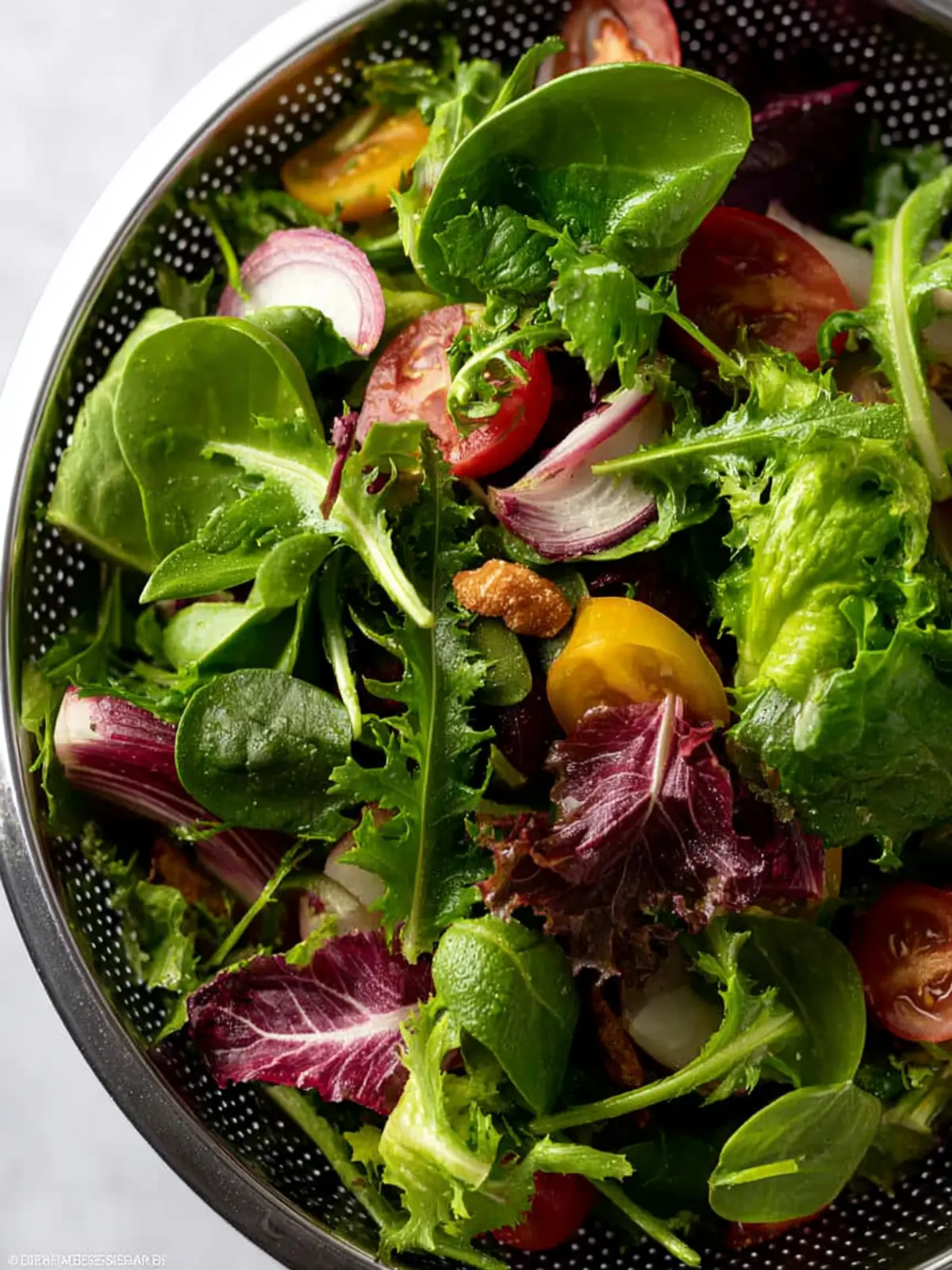
Key Ingredients for Keeping Salad Fresh
Keeping your salad fresh is easier than you think, and it all comes down to a few key ingredients that make a world of difference. Picture this: you’ve prepared a colorful salad filled with crisp greens, vibrant vegetables, and a zesty dressing, only to find it wilted and sad the next day. Let’s ensure that doesn’t happen with these essential components.
-
Greens: For the best results, opt for hearty greens like kale, romaine, or Swiss chard. These varieties hold up better than delicate lettuces, making them more resilient when stored.
-
Fresh Herbs: Adding herbs like parsley or cilantro not only boosts flavor but also helps keep your salad lively. They retain moisture and can help mask any subtle fading.
-
Acidic Dressing: A vinegar-based or citrus dressing can actually help to crisp up your greens. It’s the secret to locking in freshness and flavor.
-
Storage Containers: Don’t overlook the importance of how you store your salad. Use airtight containers or even mason jars to keep everything crispy and bright for longer.
By incorporating these simple ingredients and tips, you’re well on your way to mastering how to keep salad fresh, ensuring a delightful crunch every time.
Why You’ll Love This Fresh Salad Tip
Fresh salads are like a canvas for creativity, but keeping them vibrant and delicious can feel challenging. That’s where our special tip enters the picture: investing time in how to keep salad fresh can transform your culinary routine and elevate your meals. Imagine biting into crisp greens, plump tomatoes, and crunchy cucumbers, all perfectly preserved. It’s an experience that invigorates your palate and makes healthy eating a joy rather than a chore.
Knowing how to store your ingredients properly not only retains their flavor but also extends their lifespan, reducing food waste. For instance, did you know that storing leafy greens with a paper towel can absorb excess moisture? This simple hack keeps them crunchy and fresh for days. The benefits don’t stop at flavor; studies show that incorporating fresh produce into your meals can lead to improved health outcomes, such as a reduced risk of chronic diseases.
Adopting this tip is not an overwhelming task; it’s a small change that can have a significant impact. With just a few thoughtful practices, you can ensure your salads are not just fresh but crave-worthy. So why not give it a try? You’ll be amazed at how effortless and rewarding it is to enjoy fresh, vibrant salads every day.
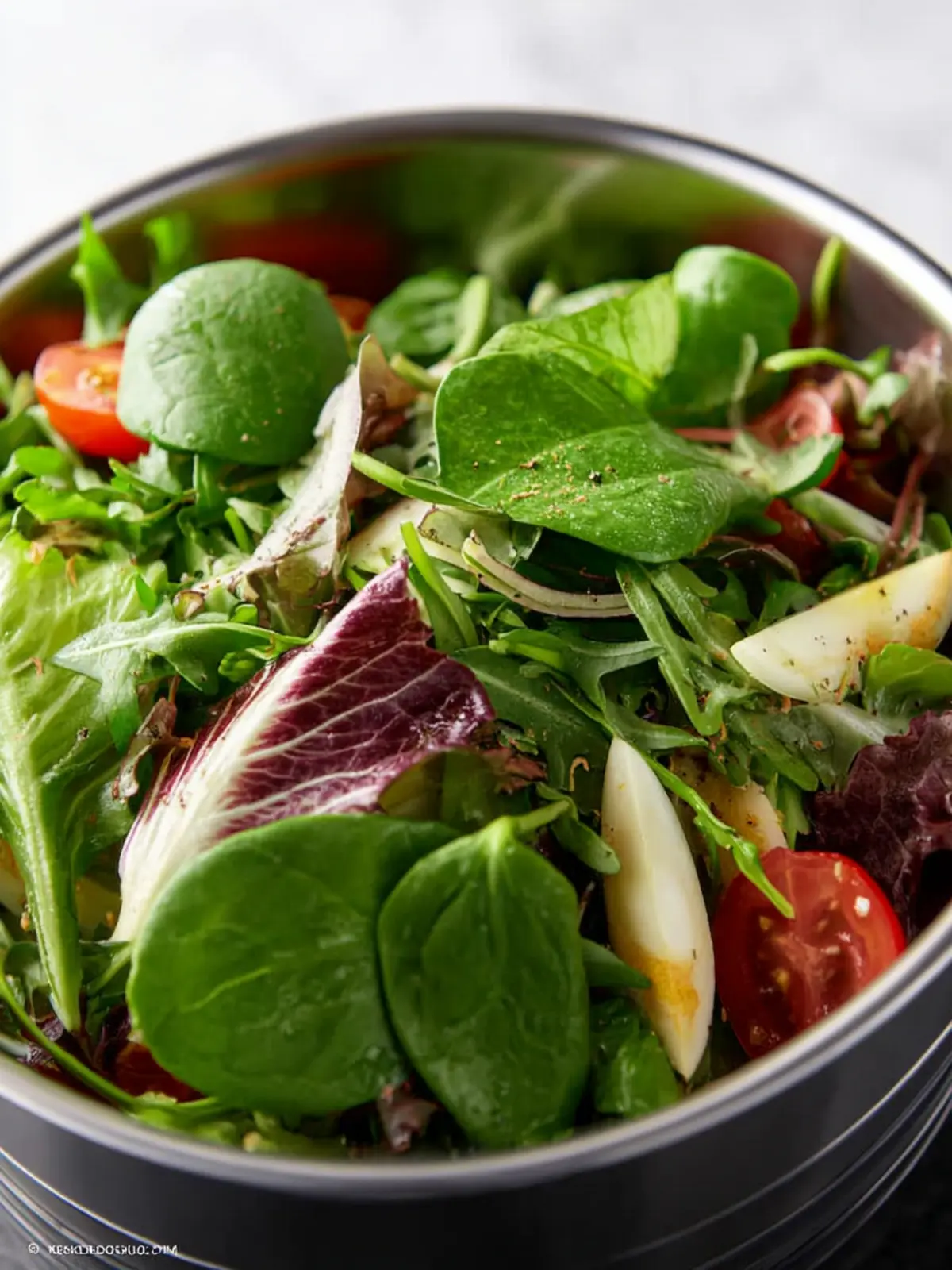
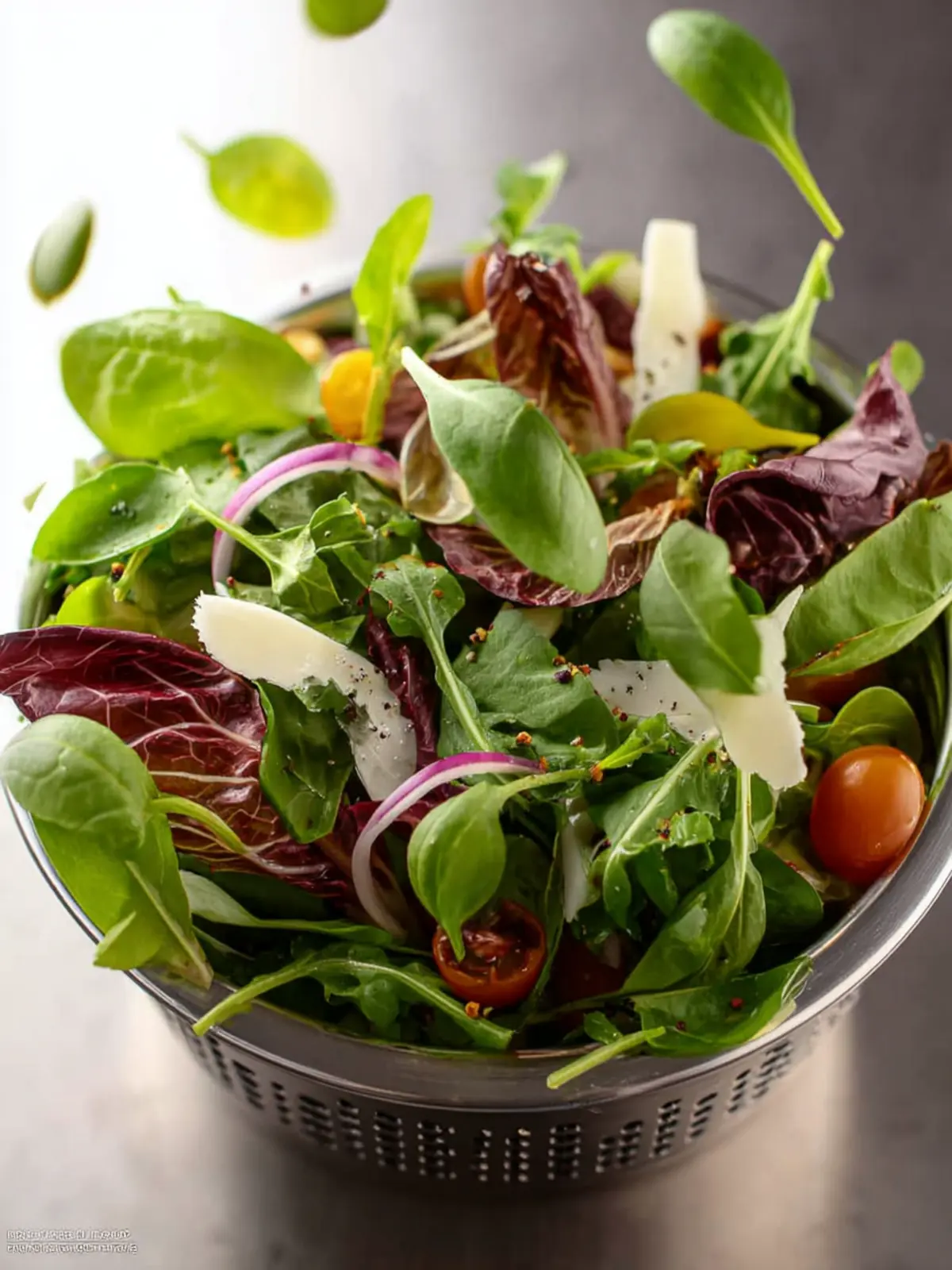
Tips for Keeping Salad Fresh
Keeping your salad fresh can sometimes feel like a challenge, especially after investing time and energy into creating a colorful, vibrant mix of ingredients. One unexpected trick I’ve discovered during my kitchen experiments is that the way you store your salad plays a huge role in maintaining its crispness. Get ready to become a salad maestro with these handy tips on how to keep salad fresh!
Proper Washing and Drying
Before storing, ensure you wash your greens thoroughly. Soil and dirt can lead to quicker spoilage. After washing, it’s crucial to dry the leaves—excess moisture often contributes to wilting. Use a salad spinner or lay them out on a clean dish towel. This little step can make a big difference!
Layering Ingredients Wisely
When assembling your salad for storage, think about layering. Place the heartier vegetables—like carrots or bell peppers—at the bottom of your container and the delicate greens on top. This prevents the more fragile ingredients from being squished, helping maintain their freshness longer.
Invest in Airtight Containers
Using airtight containers is essential for tomatoes or cucumbers, which can release moisture and make your salad soggy. Opt for containers with a tight seal to create a barrier against air exposure. You’ll be amazed how this simple choice can prolong your salad’s shelf life!
Dressing on the Side
Finally, keep your dressing separate until you’re ready to serve. Mixing it in too early will lead to soggy leaves. Storing them separately ensures your salad remains bright, fresh, and crisp when it’s time to enjoy.
Time Breakdown for Preparation
When it comes to how to keep salad fresh, knowing your timeline can make all the difference. Fresh ingredients deserve a little love and care, and that starts with a proper schedule. Here’s a simple breakdown to help you plan your salad-making session effectively.
Preparation time
Setting aside about 15 to 20 minutes for preparation is ideal. This includes washing and chopping your vegetables, selecting your greens, and getting your dressings ready.
Storage time
After preparing your salad, proper storage is crucial for freshness. Typically, a well-stored salad can last up to 3 days in the fridge, depending on the ingredients used.
Total time
In total, you’re looking at around 20 to 25 minutes from start to finish. This allows you ample time to ensure your salad is not only fresh but also visually appealing and delicious.
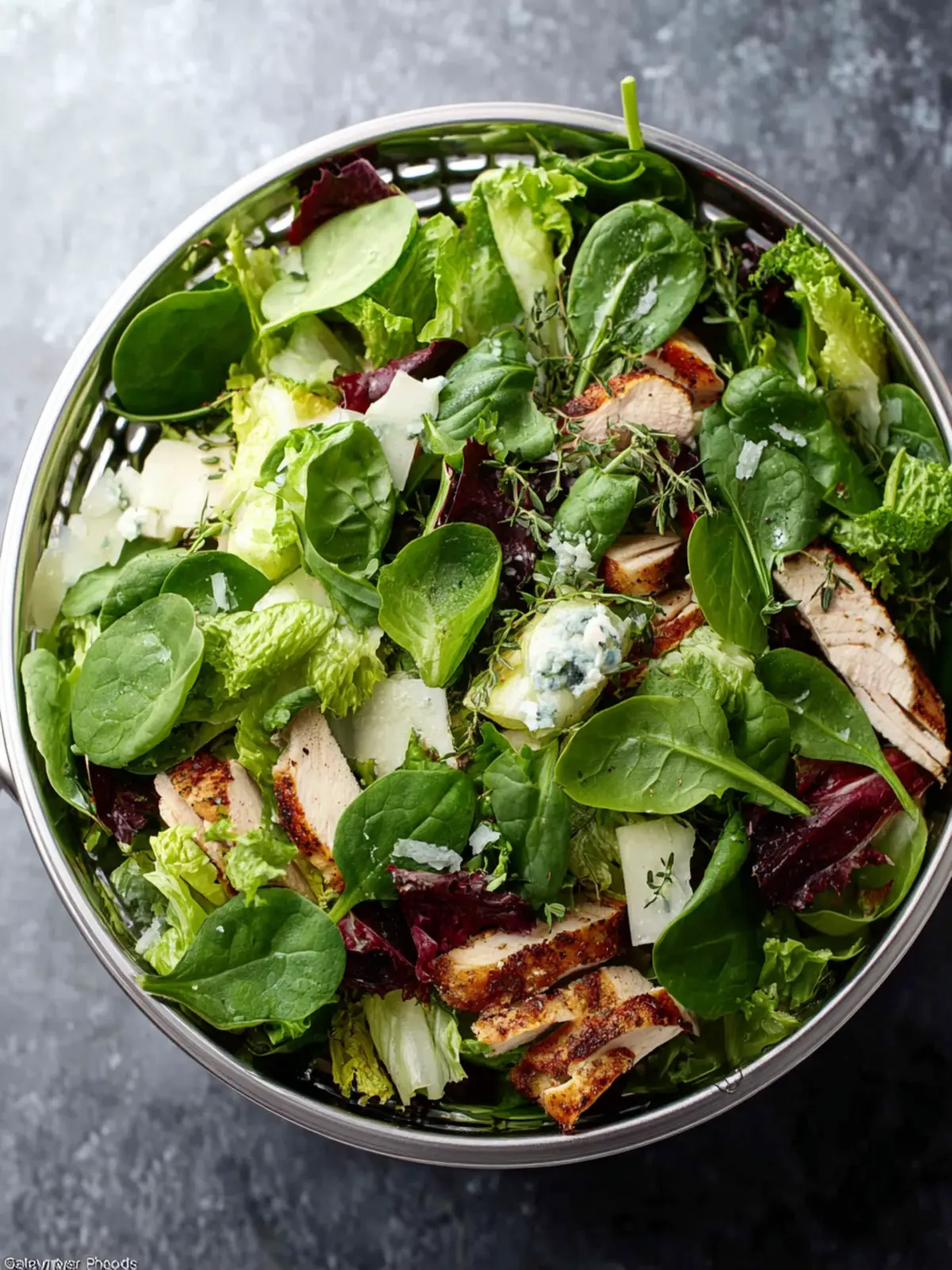
Nutritional Benefits of Fresh Salads
Fresh salads offer a vibrant array of nutritional benefits that can elevate your health journey in countless ways. Imagine biting into a crisp, refreshing salad filled with seasonal veggies; it’s not just a meal, but a delightful way to nourish your body.
Vitamins and Minerals
Salads are often packed with essential vitamins and minerals that support overall wellness. Leafy greens such as spinach and kale are rich in vitamin K, vital for bone health. Meanwhile, colorful veggies like bell peppers and tomatoes provide a powerhouse of antioxidants, combating oxidative stress and inflammation. A simple garden salad can deliver a significant boost to your daily nutrient intake.
Fiber Content
One of the standout features of fresh salads is their high fiber content. Foods rich in fiber promote healthy digestion, help maintain healthy blood sugar levels, and keep you feeling full longer. Ingredients like beans, nuts, and the vegetables themselves contribute to this beneficial aspect, making your salads not only refreshing but also filling. Incorporating a variety of textures and flavors ensures that each bite is as nutritious as it is enjoyable.
Incorporate these leafy delights into your meals, and you’ll quickly discover not only how to keep salad fresh but also how incredibly rewarding they can be for your health and well-being!
FAQs about Keeping Salad Fresh
When diving into the world of salads, keeping your greens fresh can feel like navigating a maze. Knowing the ins and outs of how to keep salad fresh ensures that every forkful is crisp and vibrant. Below are some common questions and answers to help prolong the life of your salads.
How long does salad last in the fridge?
Generally, a properly stored salad can last anywhere from 3 to 7 days in the fridge. However, the type of ingredients matters significantly. Greens like romaine and kale tend to last longer compared to softer leaves like arugula or spinach. For salads with dressing, it’s best to consume them within 3 days to avoid sogginess. Always keep an eye on your salad—if it wilts or develops an off smell, it’s time to toss it.
Can I wash lettuce before storing it?
Absolutely! Washing lettuce before storage is a great way to ensure cleanliness, but it’s crucial to dry it thoroughly. Excess moisture can lead to quicker spoilage. Use a salad spinner if you have one, or gently blot the leaves with a clean kitchen towel. Once dried, you can wrap the leaves in a paper towel and place them in a plastic bag to help absorb any remaining moisture.
What’s the best way to store a pre-bagged salad?
Pre-bagged salads are convenient, but they can sometimes lose their freshness quickly. To maintain their crispness, transfer the salad to an airtight container if it isn’t already. Be sure to store it in the coldest part of your fridge, usually towards the back. If it comes with dressing, consider separating it until you’re ready to eat to prevent wilting. By taking these steps, you’ll keep your salad fresh and ready for those quick meal moments!
Conclusion on Keeping Salad Fresh
Maintaining a crisp, cool salad isn’t just a kitchen skill; it’s an art that transforms mealtime. Learning how to keep salad fresh means you can enjoy vibrant greens and crunchy veggies for days. Simple habits, like storing your salad in the right container, using paper towels to absorb excess moisture, and prepping ingredients separately, can extend its shelf-life significantly.
Imagine having a fresh salad ready to go whenever hunger strikes. With these tips, your next salad will not only be delicious but also stay delightful throughout the week. Happy salad-making!
Print
Salad or Lettuce Preparation
- Total Time: 10 minutes
- Yield: 2 servings 1x
- Diet: Vegetarian
Description
If using pre-bagged salad, remove the salad from the bag you bought the salad in. Place the bag in a sealable storage bag and put a paper towel in the bag with the salad mix. The paper towel will absorb any moisture so that it doesn’t affect the salad. Replace the paper towel every couple of days for the best results. If using lettuce, clean the lettuce and use a salad spinner to make sure that you get as much moisture off the lettuce as possible. Then place the lettuce in a sealable storage bag and place a paper towel in the bag with the cleaned lettuce. The paper towel will absorb any moisture so that it doesn’t affect the lettuce. Replace the paper towel every couple of days for the best results.
Ingredients
Scale
- 1 pre-bagged salad mix
- 1 paper towel
- 1 head lettuce
Instructions
- Remove the salad from the bag.
- Place in a sealable storage bag.
- Put a paper towel in the bag with the salad mix.
- Replace the paper towel every couple of days.
- For lettuce, clean and use a salad spinner to dry.
- Store in a sealable bag with a paper towel.
- Replace the paper towel as needed.
Notes
- This method helps keep the salad fresh longer.
- Always check for moisture build-up and replace the paper towel.
- Prep Time: 10 minutes
- Category: Salads
- Method: no-cook
- Cuisine: Various
Nutrition
- Serving Size: 1 cup
- Calories: 50
- Sugar: 1g
- Sodium: 10mg
- Fat: 0g
- Saturated Fat: 0g
- Unsaturated Fat: 0g
- Trans Fat: 0g
- Carbohydrates: 10g
- Fiber: 2g
- Protein: 2g
- Cholesterol: 0mg