Follow Me On Social Media!


Recipe for Remoulade Sauce: Easy, Irresistibly Flavorful!

Introduction to Recipe for Remoulade Sauce
Imagine hosting a lively dinner party, where the conversation flows as freely as the wine, and then—boom—you introduce your guests to a dip that’s not only tangy and creamy but also carries a rich history. This is where our recipe for remoulade sauce comes into play. Originating from France, this versatile sauce has traveled across continents, finding a loving home in the kitchens of the American South, particularly in New Orleans cuisine. Perfect as a condiment for seafood, sandwiches, or even as a zesty dip for veggies, remoulade brings a delightful kick to any meal.
What is Remoulade Sauce and Its Origins?
At its core, remoulade sauce is a mayonnaise-based condiment that can be tailored to fit a variety of flavor profiles. The classic version comprises a beautiful blend of Dijon mustard, capers, and fresh herbs, making it the perfect accompaniment for fried shrimp or crab cakes. Fun fact: the name “remoulade” derives from the French word remoulade, which means “to mix.” As with many traditional recipes, regional variations have emerged. In Cajun cooking, for example, you might find the addition of spicy elements or even horseradish, adding a vibrant twist to the original French creation.
This sauce is more than just a condiment; it’s a culinary celebration that marries simplicity with sophistication. Whether you’re drizzling it over your favorite seafood or using it as a zesty sandwich spread, the charm of this sauce lies in its ability to enhance dishes without overpowering them. Plus, what’s even better is that you can whip it up in your own kitchen using easy simple ingredients.
In the upcoming sections, we’ll dive into the essential ingredients, so you can create this versatile sauce that’s sure to impress your guests and elevate your culinary repertoire. Get ready to explore this flavorful journey!
Key Ingredients for Remoulade Sauce
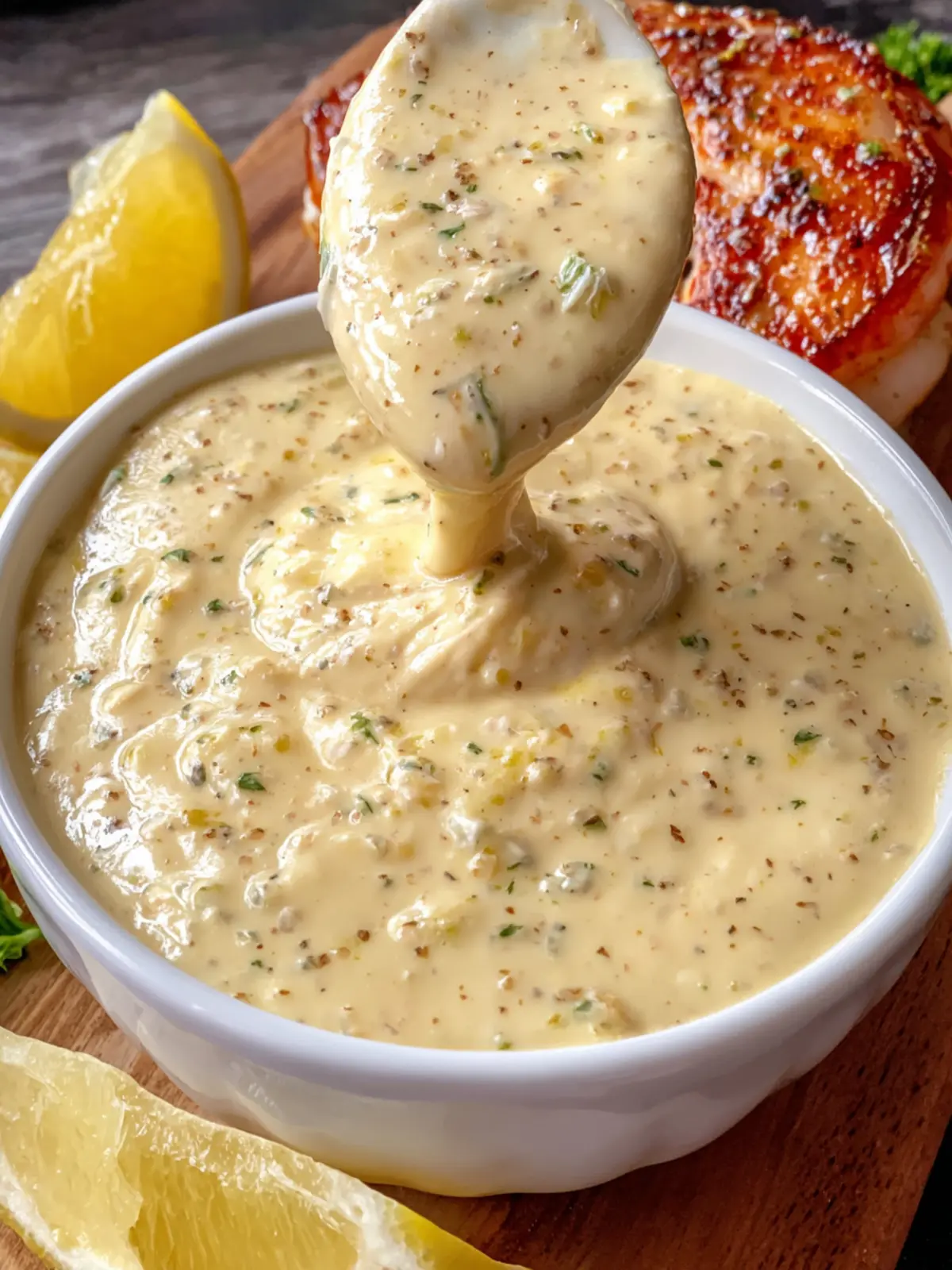
Creating a delicious remoulade sauce is all about selecting the right ingredients that shine individually yet blend beautifully. This sauce, known for its tangy and creamy profile, can elevate everything from seafood to roasted veggies. Let’s dive into the essential components.
-
Mayonnaise: As the base of this sauce, mayonnaise provides the creamy texture that makes remoulade sauce so enticing. I prefer using homemade mayonnaise when possible, as it adds a freshness that store-bought options can’t quite replicate.
-
Dijon Mustard: This ingredient introduces a lovely tanginess and a subtle heat. It enhances the depth of flavor that pairs perfectly with seafood and meats.
-
Capers: Chopped capers add a delightful brininess that complements the creamy and tangy elements. They also contribute a touch of sophistication.
-
Pickle Relish: Sweet or dill relish can be used depending on your flavor preference. It brings a crunch and a hint of sweetness that balances the mustard’s sharpness.
-
Lemon Juice: Freshly squeezed lemon juice brightens up the sauce, giving it a zesty kick that’s hard to resist. It’s truly the cherry on top!
These ingredients work together harmoniously to create a remoulade sauce that’s not just easy but also versatile and incredibly flavorful. Enjoy experimenting with this recipe!
Why You’ll Love This Remoulade Sauce
The recipe for remoulade sauce brings a delightful twist to your culinary adventures, blending flavors that are both bold and refreshing. Imagine bright afternoons, perfectly cooked seafood, and a bowl of this creamy, tangy sauce at your fingertips—what could be better?
Here are a few reasons why this sauce will quickly become a staple in your kitchen:
-
Versatile Flavor Profile: The balanced mix of mayonnaise, mustard, and spices makes this sauce incredibly versatile. Whether you’re pairing it with shrimp, crab cakes, or even roasted veggies, it elevates any dish with its zesty flair.
-
Simple Preparation: With just a handful of easy-to-find ingredients, this recipe for remoulade sauce is perfect for young professionals who want to whip up something special without the hassle. Simply combine, mix, and you’re ready to go!
-
Customizable: One of the best things about this sauce is its adaptability. You can tailor it to suit your taste by adding ingredients such as dill, capers, or horseradish, giving it your unique twist.
-
Crowd-Pleasing: Perfect for gatherings or a cozy dinner at home, this remoulade sauce never fails to impress. Friends and family will love its creamy texture and tangy kick, making it a sure hit every time.
Get ready to enjoy this delectable remoulade sauce and make it a go-to companion for your favorite dishes!
Variations of Remoulade Sauce
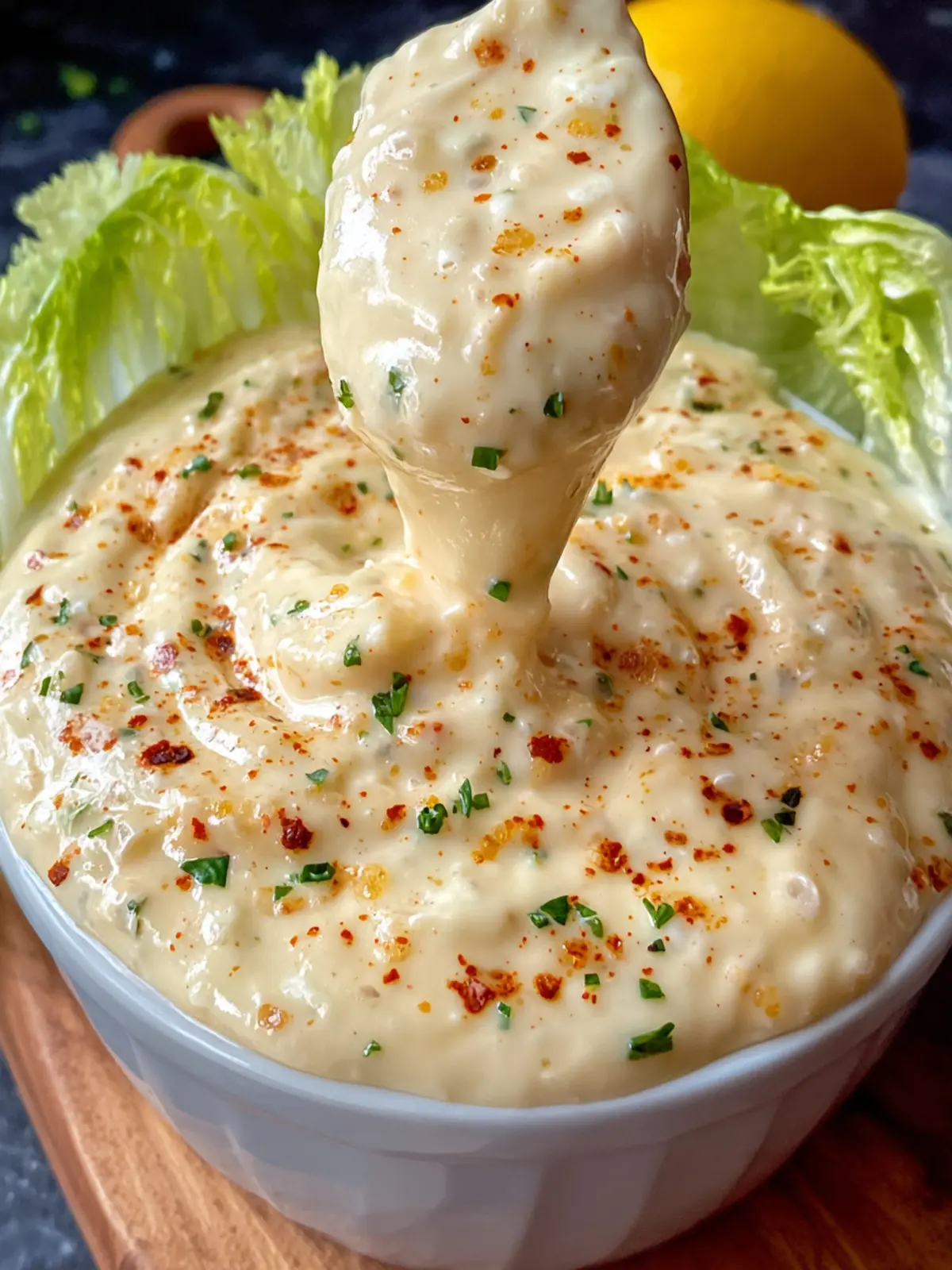
The beauty of a recipe for remoulade sauce lies in its versatility, allowing you to tailor the flavors to suit your taste. Whether you’re preparing a classic dish or looking to add a twist, here are some delicious variations to consider.
Classic vs. Spicy Remoulade
The classic version of remoulade is rich and creamy, blending mayonnaise, mustard, and spices for a smooth, tangy condiment. If you’re a fan of heat, turn up the flavor with a spicy remoulade. Simply add ingredients like cayenne pepper, hot sauce, or even chopped jalapeños to create a zesty kick. This spicy version pairs beautifully with fried seafood and grilled meats, adding an exciting layer of flavor.
Herb-Infused Remoulade Options
Herbs can transform your remoulade sauce recipe into something extraordinary. Adding fresh herbs like dill, parsley, or tarragon not only enhances the flavor but also gives it a vibrant color. To craft an herb-infused remoulade, mix in chopped fresh herbs or use dried variants for convenience. This variation is fantastic as a dip for vegetables or as a spread on sandwiches and wraps, allowing the freshness of the herbs to shine through.
Experimenting with these variations will surely elevate your remoulade sauce, making it a personalized favorite!
Cooking Tips and Notes
Achieving the Right Consistency
The recipe for remoulade sauce shines best when the ingredients come together in perfect harmony. Start by combining your mayonnaise and mustard, as these form the creamy base of the sauce. Whether you prefer a thinner consistency for drizzling over salads or a thicker texture for dipping, you can adjust with a touch of cream or additional mayonnaise. If it feels too thick, a splash of lemon juice can help lighten it up and add a zesty flair. Always taste as you go to ensure you’re achieving the balance that will make your taste buds sing.
Flavors: The Importance of Resting Time
After whipping up your remoulade sauce, allow it to rest in the fridge for at least an hour. This resting period is crucial as it allows the flavors to meld, creating a more robust and complex taste. Think of it like a fine wine that gets better with a little time; the ingredients meld together, enhancing everything from the tangy capers to the delightful spices. I often find that the sauce tastes even better the next day, making it a perfect make-ahead option for parties or quick weeknight dinners.
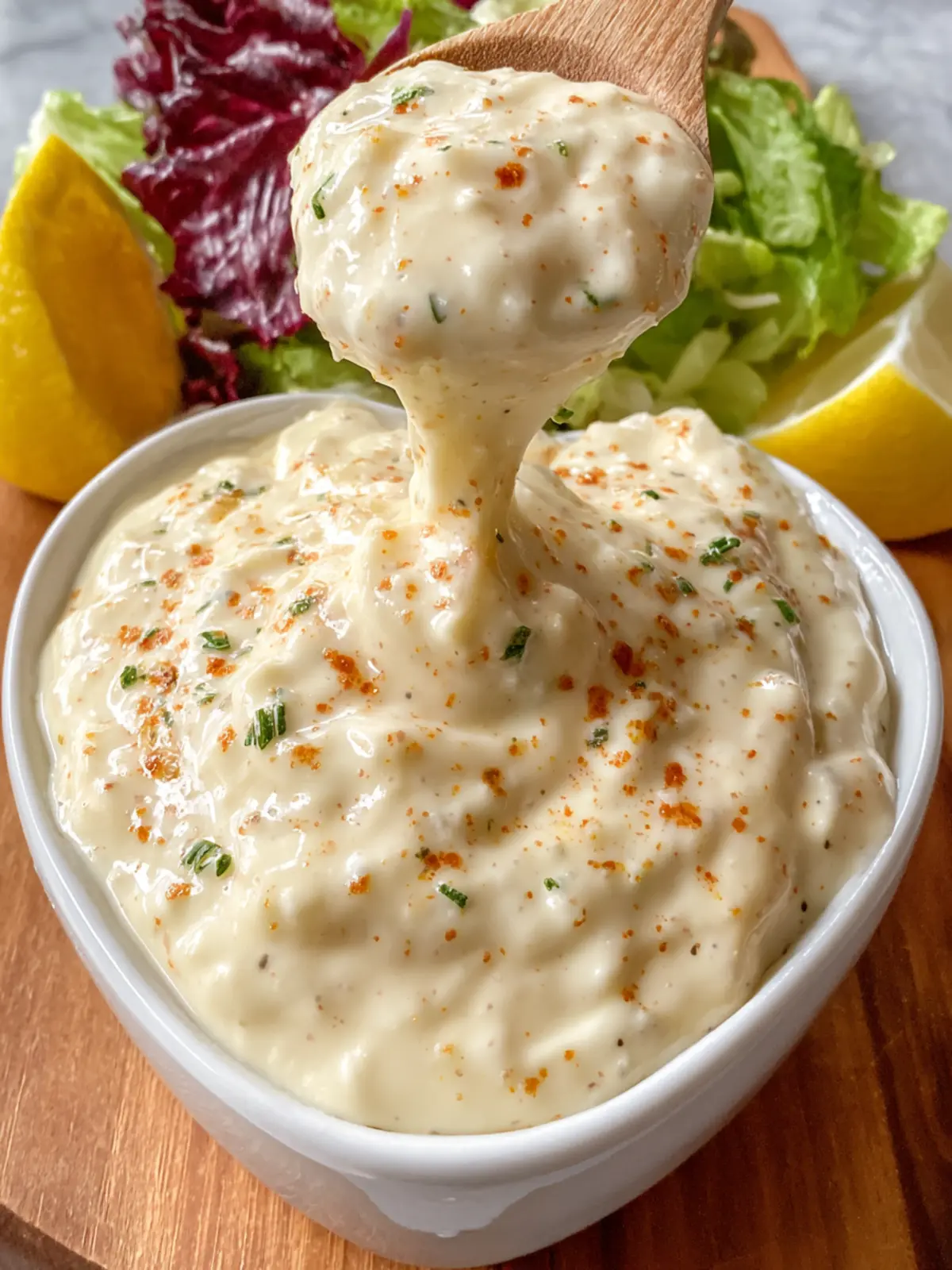
Serving Suggestions for Remoulade Sauce
When it comes to enjoying the recipe for remoulade sauce, this delightful condiment transforms ordinary meals into extraordinary experiences. With its zesty flavor and creamy texture, remoulade serves as a fantastic accompaniment for various dishes. Let’s explore some delicious serving suggestions that will elevate your dining experience.
Pairing Ideas for Seafood: Shrimp, Crab Cakes, and More
Remoulade sauce shines when paired with seafood. Picture succulent shrimp cocktails or crispy crab cakes—both become irresistible with a dollop of this tangy sauce. Here are a few pairing ideas to consider:
- Shrimp: Toss grilled shrimp in remoulade for a flavor boost.
- Crab Cakes: Serve alongside for a creamy dip that perfectly complements the sweetness of the crab.
- Fish Tacos: Drizzle on top for a zesty finish that enhances fresh flavors.
- Fried Fish: A classic combination; serves as a dressing for tartar-style bites.
Creative Vegetable Pairings
While seafood is a primary partner, don’t overlook the possibilities with vegetables. Remoulade can be a game changer for veggie dishes:
- Raw Veggies: Use as a dip for an array of fresh vegetables like carrots, celery, or bell peppers.
- Roasted Vegetables: Toss them with remoulade before roasting for an added layer of flavor.
- Potato Wedges: Serve as a dipping sauce to make those crispy wedges even more appealing.
Whatever dish you choose to enjoy, remember that this recipe for remoulade sauce is all about creativity and personal preference. Don’t be afraid to experiment!
Time Breakdown for Making Remoulade Sauce
Creating the perfect remoulade sauce is not just about the taste; it’s about the process. Here’s how to manage your time effectively while whipping up this zesty condiment.
Preparation Time
Gathering the ingredients and blending them all together takes about 15 minutes. You’ll be surprised at how quickly everything comes together!
Chill Time
After preparation, giving your remoulade sauce a chance to chill in the fridge for about 30 minutes allows the flavors to meld beautifully. It’s worth the wait!
Total Time
In just 45 minutes, you can have a delicious remoulade sauce ready to elevate your dishes. Quick and easy, right? Enjoy the journey of making this delightful sauce!
Nutritional Facts for Remoulade Sauce
When you whip up a recipe for remoulade sauce, it’s not just about the delicious taste but also about what you’re serving up nutritionally. This classic condiment packs a flavorful punch, making it a favorite for seafood and fries alike! Let’s break down the nutritional aspects that make this sauce a delightful addition to your meals.
Caloric Breakdown
A tablespoon of remoulade sauce typically contains about 90 calories. Most of these calories come from fats and oils, which contribute to its rich, creamy texture. The flavor is bold, but keeping your portion sizes in check can help you enjoy this sauce without adding too many calories to your meal.
Macronutrient Information
- Fats: Approximately 10 grams per serving, primarily from mayonnaise and other oil-based ingredients.
- Proteins: Minimal, usually less than 1 gram, since the sauce is not protein-rich.
- Carbohydrates: About 1-2 grams, mostly from added seasonings and ingredients.
This combination makes remoulade sauce a tasty yet indulgent treat that pairs beautifully with a variety of dishes. Enjoying it in moderation can elevate your meals while keeping your nutrition in check!
FAQ about Remoulade Sauce
When you dive into the world of sauces, the remoulade sauce stands out with its creamy texture and bold flavor, making it a beloved choice across various cuisines. Let’s address some common inquiries about this versatile condiment.
Can I make this sauce in advance?
Absolutely! One of the best aspects of remoulade sauce is that it can be made ahead of time. In fact, allowing the sauce to sit for a few hours—or overnight—can enhance its flavors as the ingredients mingle together. Just make sure to store it in an airtight container in the fridge, and it will be ready whenever you need it, adding a burst of flavor to your meals.
How long does remoulade sauce last in the fridge?
Homemade remoulade sauce typically lasts up to a week in the refrigerator. To ensure its freshness, always keep it well-covered, and avoid cross-contamination by using a clean spoon each time you dish it out. Also, if you notice any changes in smell or appearance, it’s best to err on the side of caution and discard it.
What dishes pair best with remoulade sauce?
The beauty of remoulade sauce is its versatility. It pairs wonderfully with:
- Seafood: Think shrimp, crab cakes, or fish. The creamy, tangy profile complements the flavors beautifully.
- Fried Foods: Use it as a dip for fried green tomatoes or crispy potato wedges for a delightful contrast.
- Sandwiches and Wraps: Elevate your lunch with a dollop of remoulade in your favorite sandwich or wrap for added zest.
Remoulade sauce is sure to become a staple in your culinary repertoire!
Conclusion on Remoulade Sauce
Creating your own remoulade sauce is not just about elevating your meals; it’s about personalizing a classic condiment that can bring your dining experience to the next level. The beauty of this recipe lies in its simplicity and versatility. Whether you pair it with seafood, vegetables, or a hearty sandwich, your homemade sauce will stand out with its creamy texture and zesty flavor. Plus, utilizing fresh, easy-to-find ingredients means you can whip it up whenever the craving strikes. So go ahead, make this recipe for remoulade sauce your go-to companion for any dish that deserves a flavorful boost!
Print
Creamy Garlic Sauce
- Total Time: 10 minutes
- Yield: 1 cup 1x
- Diet: Vegetarian
Description
A creamy and flavorful garlic sauce perfect for sandwiches or as a dip.
Ingredients
Scale
- 1/2 cup mayo
- 1 teaspoon Dijon mustard (Regular mustard works if preferred.)
- 1 teaspoon hot sauce
- 2–3 cloves garlic (Minced. Adjust to taste.)
- 1 tablespoon fresh lemon juice
- 1 teaspoon Worcestershire sauce
- 1/2 teaspoon Creole Seasoning
- 1/4 teaspoon smoked paprika (Regular paprika works if preferred.)
Instructions
- Combine mayo, minced garlic, lemon juice, Creole Seasoning, smoked paprika, mustard, and hot sauce in a bowl.
- Stir.
- Serve immediately or chilled.
Notes
- This sauce can be adjusted to taste; add more garlic for a stronger flavor or more hot sauce for extra heat.
- Prep Time: 10 minutes
- Category: Sauces
- Method: Mixing
- Cuisine: American
Nutrition
- Serving Size: 2 tablespoons
- Calories: 80
- Sugar: 1g
- Sodium: 200mg
- Fat: 7g
- Saturated Fat: 1g
- Unsaturated Fat: 6g
- Trans Fat: 0g
- Carbohydrates: 3g
- Fiber: 0g
- Protein: 1g
- Cholesterol: 5mg